
What safety certificates are needed for custom electric fly killers?
- VIP-User
- 2026-07-07
- 31
Custom electric fly killers and physical flying insect traps require safety certifications like CE, RoHS, and FCC to verify electrical safety, electromagnetic compatibility, and non-toxic materials. For non-electric custom fly rolls, compliance focuses on chemical-free adhesive safety and material non-toxicity under local market regulations.
Core Solutions & Key Takeaways
- Electrical and Material Safety: Electric pest control devices must pass rigorous high-voltage safety and insulation tests, whereas mechanical traps require non-toxic adhesive verification.
- Diverse Application Scenarios: Safe physical pest control products are required in sensitive areas. For instance, in "Family rooms" (under kitchen cabinets, next to sinks, or behind sofas) and "Catering and food industries" (restaurant back chefs, food processing workshops, and supermarkets) where chemical agents are strictly restricted, physical traps are the primary choice.
- Customized Quality Standards: Tailored pest control solutions, such as custom-made fly rolls, must undergo strict quality control from raw materials to final packaging to meet international import requirements.
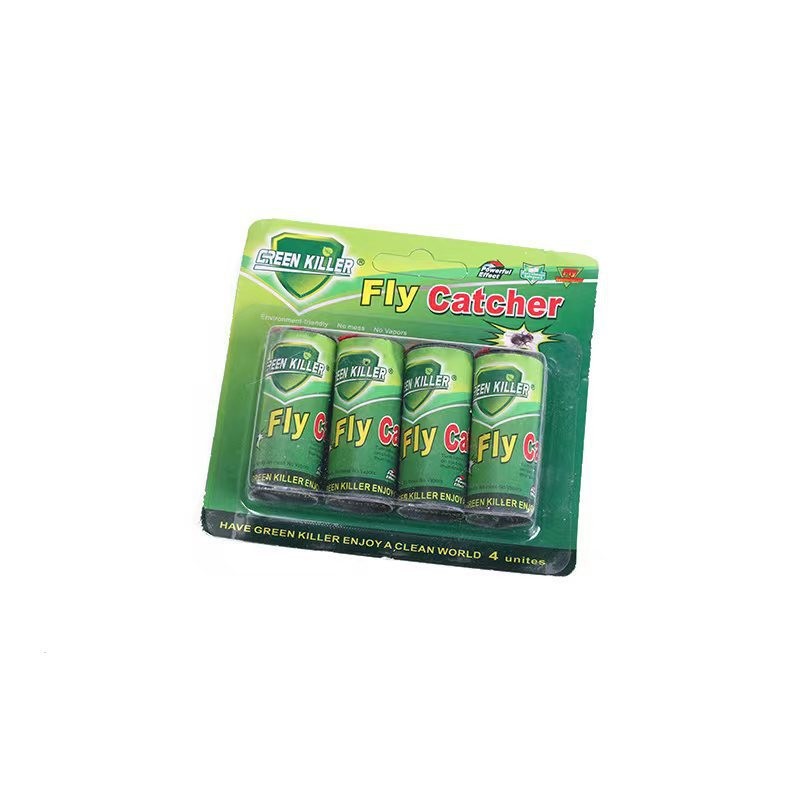
Detailed Architectural/Principle Analysis
When importing or distributing pest control products, understanding the technical differences between active electric fly killers and passive adhesive traps is essential for compliance. Electric devices require certifications that address high-voltage grid safety, casing flammability, and electromagnetic interference. Conversely, non-electric alternatives—such as custom-made fly rolls—rely on physical capture mechanisms where compliance centers on the safety of the adhesive and carrier materials.
For custom fly rolls, the manufacturing process dictates the final quality. Kraft paper is coated with adhesive, inserted into a plastic tube, labeled, and enclosed in a PVC blister shell with a printed paper card. This entire assembly is processed through an insulating machine to protect the adhesive before final packaging. Ensuring that the adhesive does not leach harmful substances is critical for passing import inspections in major markets like South America, the Middle East, Southeast Asia, and Africa.
A rigorous quality control protocol must cover every stage of production to guarantee compliance. This includes Raw Material Inspection, Production Process Inspection, Semi-Finished Product Inspection, Surface Treatment Inspection, Assembly Inspection, Final Product Inspection, and Packaging Inspection. This systematic approach ensures that products meet the quality standards demanded by global trade partners.
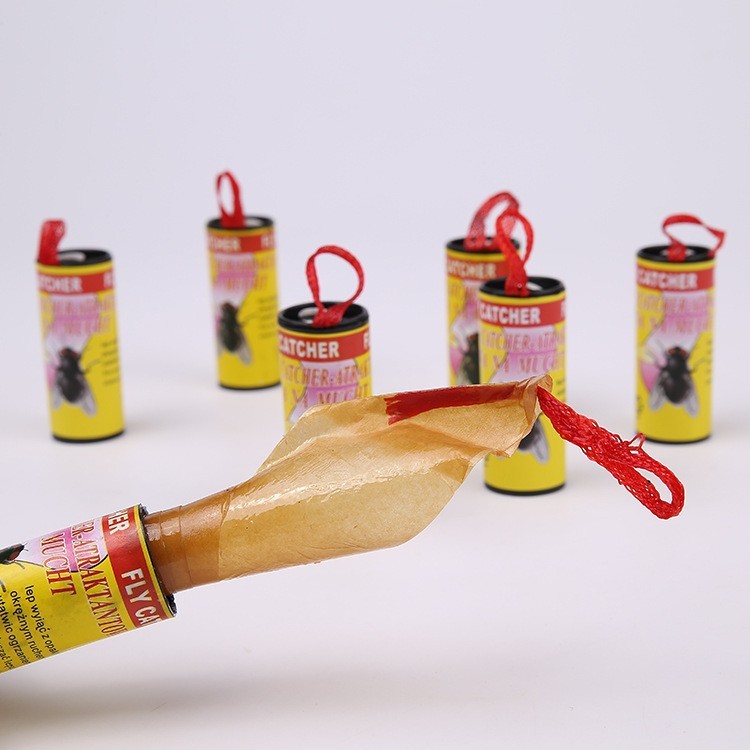
Data/Solution Comparison
| Product Feature / Specification | Electric Fly Killers | Adhesive Fly Rolls (Physical) |
|---|---|---|
| Primary Safety Focus | Electrical insulation, grid voltage safety, casing fire resistance | Adhesive non-toxicity, material safety, leak prevention |
| Common Certifications | CE, RoHS, FCC, UL | Reach, MSDS, local chemical regulations compliance |
| Production Lead Time | Typically 30 to 45 days | 1 month for customized orders; 3 to 7 days for stock |
| Minimum Order Quantity (MOQ) | Varies by electronic components | 28,800 cards (standard custom order size) |
| Shipping Options | Sea, Air, Railway, Truck | Sea Freight, Air Freight, Railway, Truck |
Frequently Asked Questions (FAQ)
What are the main compliance requirements for exporting physical fly traps to South America and Europe?
For physical adhesive traps like fly rolls, importers must verify that the glue is non-toxic and free of hazardous chemicals. It is crucial to confirm that adhesive pest control products comply with local market regulations before distribution.
What is the standard quality inspection process for customized pest control products?
Quality assurance involves a multi-stage inspection process, including raw material verification, semi-finished product checks, surface treatment analysis, assembly inspection, and final packaging inspection to ensure adhesive stability and packaging integrity.
How are custom-made fly rolls packaged to prevent adhesive leakage during transit?
The kraft paper is coated with adhesive and secured in a plastic tube. It is then sealed with a colored printed label, packed into a PVC blister shell with a paper card, and processed through an insulating machine to ensure a hermetic seal before being cartoned.
Final Conclusion & Recommendations
Navigating the regulatory landscape for pest control products requires selecting the right manufacturing partner. For businesses focusing on physical traps, sourcing from a manufacturer with robust OEM and ODM capabilities, flexible payment structures (such as T/T 30% deposit and 70% balance, or Alibaba Trade Assurance), and established global logistics experience is highly recommended. Always ensure that your supplier provides transparent quality assurance terms, including clear procedures for addressing manufacturing defects within a specified post-delivery window.
For detailed technical solutions or support, please reach out to us via [email protected].
About Us
Yiwu Jinli Commodity Co., Ltd., formerly known as Yiwu JinwenDaily Necessities Co., Ltd., was established in 2010. It is a comprehensive enterprise integrating R&D, production, and sales, with a dedicated team of 80 employees. Utilizing independent workshops, advanced domestic equipment, and automated production processes, the company achieves a high daily output to deliver premium pest control products—such as sticky rat traps, flypaper, and cockroach traps—to major retail and online markets worldwide. The company holds multiple trademark and copyright registrations, including trademark 第15322289号 and Copyright certificate 黔作登字-2020-F-00118638, and has successfully served large-volume distribution needs in countries like India, Brazil, and Peru.

Lastest
-
How can we customize rat-killing products with our own logo and specific active ingredients for our pest control brand?
2026-07-07 -
How do I find a manufacturer that can customize glue formulation for bonding silicone to metal?
2026-07-07 -
What options do I have for custom-made fly-killing products with our own logo and packaging?
2026-07-07 -
How do I choose the right active ingredients for custom-made pest control products targeting agricultural pests?
2026-07-07 -
How can I customize eco-friendly pest control products with my own brand logo and specific active ingredients?
2026-07-07
SUBSCRIBE
INQUIRY