
What plastic material is used for durable custom rat bait stations?
- VIP-User
- 2026-07-14
- 22
Durable custom rat bait stations are primarily manufactured using high-density polyethylene (HDPE) or heavy-duty polypropylene (PP) plastic to withstand impacts, weather extremes, and rodent gnawing. For physical pest control alternatives, high-quality paper and customized glue formulations are utilized to create robust sticky mouse boards that secure pests effectively across residential, commercial, and agricultural environments.
Core Solutions & Key Takeaways
- Material Resilience: Professional-grade bait stations and traps rely on weather-resistant materials like stabilized polypropylene or thick paperboard combined with industrial-strength adhesives to prevent escape and withstand harsh environments.
- Diverse Application Scenarios: These pest control solutions are deployed across family rooms (under cabinets, behind sofas), catering and food industries (kitchens, warehouses), industrial warehousing (distribution rooms, assembly lines), agriculture (feed rooms, green houses), and property management (utility wells, garages).
- Verified Field Performance: High-capacity adhesive traps have been successfully exported in bulk to major markets, including a 1.8 million pcs shipment to Peru, 617,000 pcs to Brazil, and 40,000 pcs to India, proving their reliability in diverse global climates.
Detailed Architectural/Principle Analysis
While plastic bait stations house rodenticides securely, adhesive-based traps serve as a vital physical defense tool, especially in chemical-restricted zones like food processing plants and residential bedrooms. The structural integrity of these traps relies on a precise manufacturing process. For instance, the production of customizable sticky mouse boards involves design and plate making, lamination, printing, embossing, laminating, and the precise application of specialized adhesive. This ensures the glue remains viscous and effective across varying temperatures.
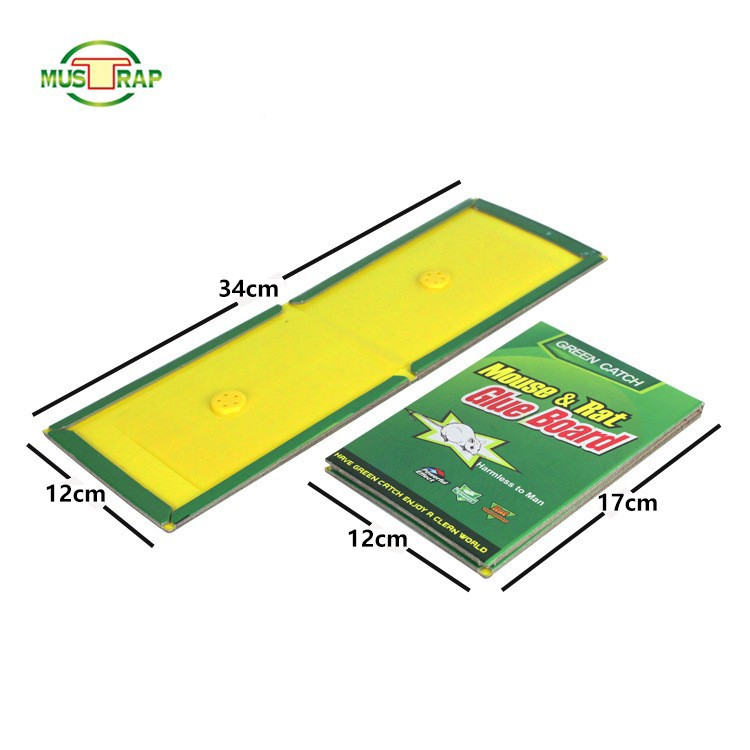
Quality control remains central to the efficacy of these physical barriers. A rigorous multi-stage quality inspection workflow covers raw material inspection, production process inspection, semi-finished product inspection, surface treatment inspection, assembly inspection, final product inspection, and packaging inspection. This systematic verification guarantees that the adhesive retains its holding power and the backing material resists tearing when target pests are captured.
Data/Solution Comparison
The following table outlines the technical specifications, capabilities, and logistics parameters of custom pest control trapping solutions:
| Parameter / Feature | Custom Sticky Mouse Boards Specification | Logistics & Compliance Details |
|---|---|---|
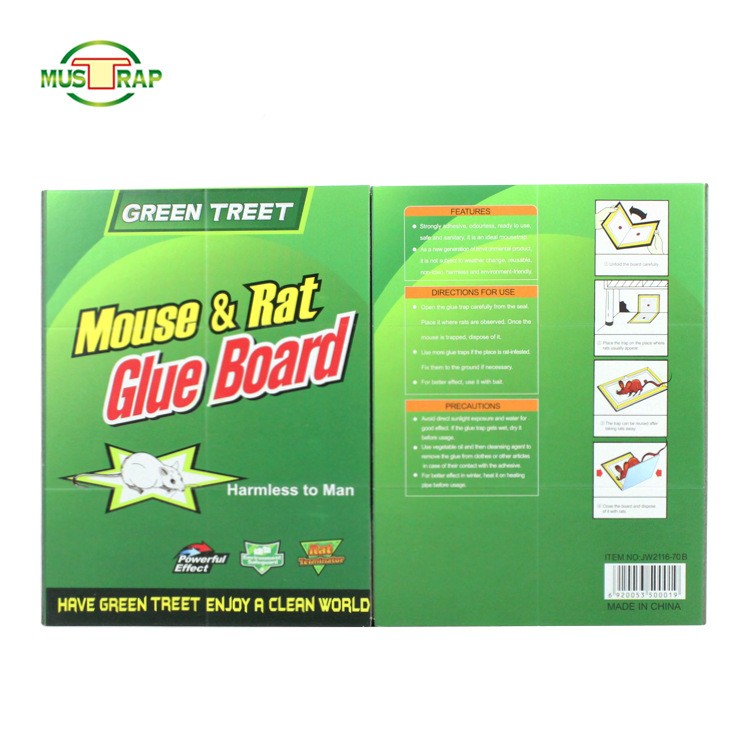
| Primary Materials | Paper and specialized adhesive glue | Customizable pattern colors and dimensions |
| Minimum Order Quantity (MOQ) | 10,000 pcs | Supports OEM & ODM manufacturing models |
| Production & Delivery Time | 1 month for customized orders; 3 to 7 days for stock | Daily automated capacity of 30,000 boards |
| Export Markets | South America, Middle East, Southeast Asia, Africa | Active in India, Brazil, Ecuador, Romania, Iraq |
| Shipping Methods | Sea Freight, Air Freight, Railway, Trucking | Optimized based on volume and destination |
| Payment Options | T/T (30% deposit, 70% balance), PayPal, Alibaba Trade Assurance | Supports USD, EUR, and RMB currencies |
Frequently Asked Questions (FAQ)
Q1: What is the standard lead time for custom pest control orders?
A1: Customized OEM or ODM orders typically require 1 month for production and delivery preparation, whereas standard stock orders can be processed and shipped within 3 to 7 days.
Q2: How is the quality of the adhesive traps guaranteed?
A2: Quality is managed through a comprehensive inspection process spanning raw materials, production stages, semi-finished states, surface treatment, assembly, final product evaluation, and packaging. A 15-day quality assurance window is provided post-delivery to address any manufacturing defects with free replenishment.
Q3: What environmental factors are excluded from the product warranty?
A3: Damage or failure caused by non-production factors—such as improper storage (excessive sun exposure, moisture, dust accumulation), extreme low temperatures, or violations of local usage regulations—is excluded from the after-sales warranty service.
Final Conclusion & Recommendations
Selecting the right pest control hardware requires balancing material durability, environmental safety, and regulatory compliance. Whether deploying heavy-duty plastic bait stations or high-tack custom sticky mouse boards, choosing products backed by rigorous quality control processes ensures reliable long-term pest management. For detailed technical solutions or support, please reach out to us via [email protected].
About Us
Yiwu Jinli Commodity Co., Ltd., established in 2010, is a comprehensive enterprise integrating R&D, production, and sales with a dedicated team of 80 employees. Operating from independent workshops equipped with advanced domestic machinery, the company maintains a daily production output of 80,000 units, specializing in sticky rat traps, flypaper, and cockroach traps. The company's products are exported to over 30 countries across South America, the Middle East, Southeast Asia, and Africa, backed by registered trademarks and official copyright certificates.

Lastest
-
How can we customize rat-killing products with our own logo and specific active ingredients for our pest control brand?
2026-07-14 -
How do I find a manufacturer that can customize glue formulation for bonding silicone to metal?
2026-07-14 -
What options do I have for custom-made fly-killing products with our own logo and packaging?
2026-07-14 -
How do I choose the right active ingredients for custom-made pest control products targeting agricultural pests?
2026-07-14 -
How can I customize eco-friendly pest control products with my own brand logo and specific active ingredients?
2026-07-14
SUBSCRIBE
INQUIRY