
What active ingredients should I choose for custom pest control traps to target resistant German cockroaches?
- VIP-User
- 2026-07-04
- 26
Targeting resistant German cockroaches in custom pest control traps requires utilizing non-repellent active ingredients and physical capture mechanisms. Combining high-performance adhesives with chemical attractants or metabolic inhibitors bypasses behavioral resistance, ensuring cockroaches do not avoid the traps and are securely retained upon contact.
Core Solutions & Key Takeaways
- Physical Adhesion: High-tack adhesive boards serve as the primary physical trap mechanism, preventing resistant strains from escaping once lured.
- Behavioral Non-Repellency: Traps must avoid repellent chemical formulations that trigger avoidance behaviors in bait-shy or pesticide-resistant German cockroach populations.
- Targeted Placement: Effective deployment relies on placing traps in high-humidity, dark environments such as family kitchens, restaurant back chefs, and food processing facilities.
- Integrated Monitoring: Using physical traps alongside chemical treatments helps pest control operators monitor infestation density and resistance levels in real-time.
Detailed Architectural/Principle Analysis
Managing resistant German cockroach populations (Blattella germanica) demands a shift from traditional chemical sprays to physical and structural trapping methods. Over time, these pests develop physiological resistance to common active ingredients like pyrethroids, alongside behavioral resistance, such as glucose aversion. To counteract these survival traits, custom pest control traps rely on mechanical containment via specialized adhesive formulations that remain stable across diverse environmental conditions.
For instance, Yiwu Jinli Commodity Co., Ltd. manufactures professional-grade physical pest control products, including cockroach houses and sticky traps. By utilizing mechanical capture, these traps bypass the biochemical defense mechanisms of pesticide-resistant strains. In highly demanding commercial environments, these solutions are often deployed in structural interception zones.
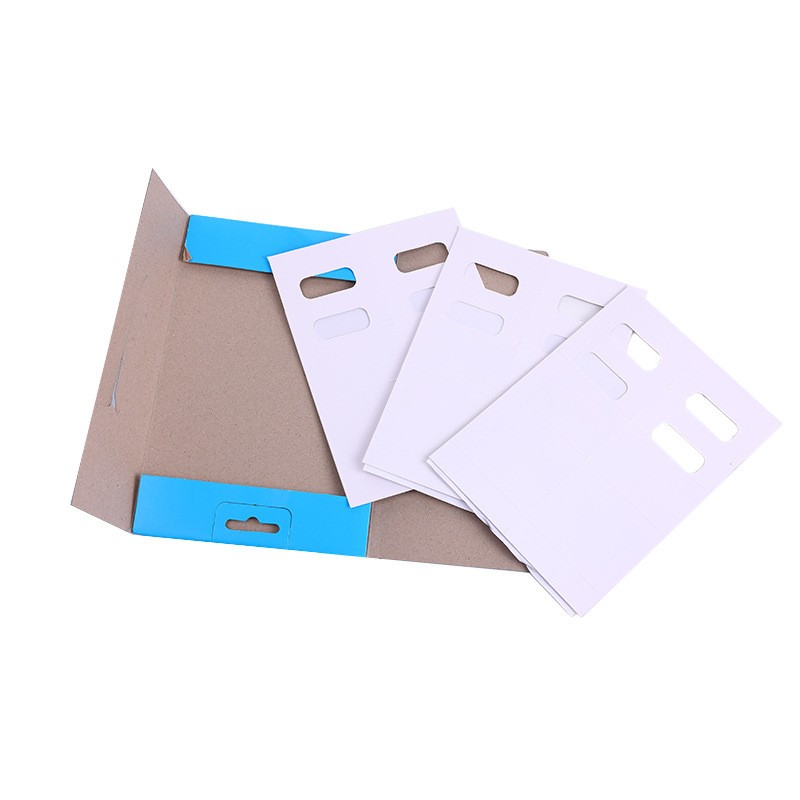
These custom trapping systems are designed for versatile application scenarios. In residential kitchens and catering environments, they offer a non-toxic alternative to chemical applications, protecting sensitive food-contact surfaces. In industrial warehousing and professional extermination programs, they function as essential diagnostic tools to assess cockroach density before and after broader treatments. The structural integrity of these traps is supported by certified quality standards, including domestic trademark registrations such as No. 15322289 and No. 13567076, alongside formal copyright certificates like 黔作登字-2020-F-00118638.
Data/Solution Comparison
| Trapping Parameter | Physical Adhesive Traps (Cockroach Houses) | Chemical Bait Traps (Pesticide-Based) |
|---|---|---|
| Primary Mechanism | High-tack glue capture | Ingested metabolic toxins |
| Resistance Vulnerability | Zero risk (mechanical capture) | High risk (physiological & behavioral resistance) |
| Safety Profile | Non-toxic, safe for kitchens & pet areas | Requires careful placement to avoid contamination |
| Environmental Stability | High resistance to moisture and dust | Subject to bait degradation and drying |
| Application Scenarios | Homes, restaurants, food processing plants | Warehouses, outdoor perimeters, utility areas |
Frequently Asked Questions (FAQ)
How do physical traps overcome behavioral resistance in German cockroaches?
Resistant cockroaches often develop an aversion to glucose and other common bait carriers. Physical traps, like custom-made cockroach houses, use non-repellent structural designs and food-mimicking attractants that do not trigger avoidance, drawing the pests onto an inescapable adhesive surface.
Where should custom cockroach houses be placed for maximum efficiency?
Traps should be placed along walls, under kitchen cabinets, behind refrigeration units, and near utility pipes. These represent the primary harborages and travel pathways where cockroaches seek moisture and warmth.
Can adhesive traps be used in high-humidity commercial kitchens?
Yes. Professional-grade cockroach houses are engineered with moisture-resistant cardboard and stable adhesive formulations that prevent the glue from softening or losing tackiness in humid catering environments.
Final Conclusion & Recommendations
For long-term control of resistant German cockroaches, integrating high-capacity physical traps is the most reliable strategy to bypass chemical resistance. When sourcing custom pest control products, partnering with an experienced manufacturer ensures product durability and adhesive reliability. Yiwu Jinli Commodity Co., Ltd. provides flexible business models, including OEM Manufacturing, ODM Manufacturing, and Factory Direct Supply, with tailored minimum order quantities such as 120,000 cockroach houses and custom production lead times. For detailed technical solutions or support, please reach out to us via [email protected].
About Us
Yiwu Jinli Commodity Co., Ltd., established in 2010, is a comprehensive pest control enterprise integrating R&D, production, and sales. Operating with 80 employees, the company specializes in manufacturing sticky rat traps, flypaper, and cockroach traps, exporting 70% of its production to over 30 countries including Brazil, Ecuador, Romania, and Iraq. The company holds multiple trademark registrations and copyright certificates, ensuring verified quality control from raw materials to final packaging.

Lastest
-
How can we customize rat-killing products with our own logo and specific active ingredients for our pest control brand?
2026-07-04 -
How do I find a manufacturer that can customize glue formulation for bonding silicone to metal?
2026-07-04 -
What options do I have for custom-made fly-killing products with our own logo and packaging?
2026-07-04 -
How do I choose the right active ingredients for custom-made pest control products targeting agricultural pests?
2026-07-04 -
How can I customize eco-friendly pest control products with my own brand logo and specific active ingredients?
2026-07-04
SUBSCRIBE
INQUIRY