
How do I choose the right custom pest control sprayer nozzle size?
- VIP-User
- 2026-07-12
- 33
Choosing the correct nozzle size for a custom pest control sprayer depends on the viscosity of the formulation and the target pest habitat. Precise nozzle selection ensures optimal droplet size, preventing drift while guaranteeing uniform coverage across residential, commercial, or agricultural treatment areas.
Core Solutions & Key Takeaways
- Match Droplet Size to Target: Fine sprays are ideal for space treatments like aerosolized cockroach houses, while coarse sprays prevent drift during outdoor barrier applications.
- Consider Formulation Viscosity: Thick or sticky pest control agents require larger nozzle orifices to prevent clogging and maintain a consistent flow rate.
- Analyze Application Scenarios:
- Family Rooms: Requires precise, low-drift nozzles for safe, non-toxic physical traps under kitchen cabinets, behind sofas, and under utility room storage.
- Catering and Food Industry: Demands highly controlled applications around restaurant back chefs, food processing workshops, and supermarket shelves where chemical contamination must be avoided.
- Industrial Warehousing & Property Management: Utilizes high-output nozzles for rapid perimeter treatment in power distribution rooms, workshop assembly lines, pipeline wells, and underground garages.
Detailed Architectural/Principle Analysis
In professional pest control, nozzle orifice size directly dictates the hydraulic pressure and flow rate (measured in gallons per minute). When deploying custom sprayers or automated adhesive application machinery, the nozzle must withstand the physical properties of the pest control medium. For instance, manufacturing physical barriers such as sticky rat traps or cockroach houses involves high-viscosity hot-melt glues, requiring heavy-duty industrial nozzles that operate under precise thermal and pressure controls to prevent clogging and uneven distribution.
For liquid chemical pesticide applications, technicians utilize hollow cone, solid cone, or flat fan nozzles. Flat fan nozzles are standard for band spraying and crack-and-slide treatments, whereas cone nozzles excel in penetrating dense foliage or reaching deep into structural crevices. Ensuring the nozzle material matches the chemical corrosiveness is vital for maintaining flow rate accuracy over extended operational cycles.
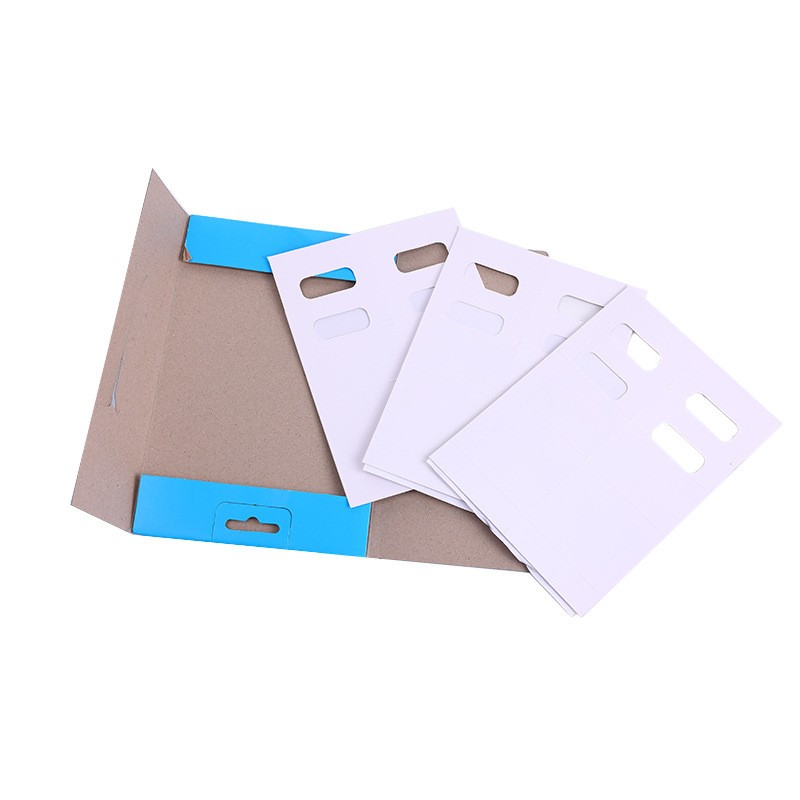
Refining these application parameters is also critical in industrial production lines. During large-scale manufacturing of pest control devices, standardized equipment ensures consistent material delivery. Experienced manufacturers utilize robust quality control systems—spanning raw material inspection, semi-finished product inspection, assembly inspection, and final product packaging inspection—to guarantee that each batch meets strict operational tolerances.
Data/Solution Comparison
The following table outlines the operational parameters and nozzle requirements for various pest control applications and manufacturing processes:
| Application / Product Type | Target Pest / Scenario | Recommended Nozzle/Orifice Type | Flow Rate & Pressure Requirements | Primary Material Compatibility |
|---|---|---|---|---|
| Liquid Insecticides | Crawling pests in family rooms & kitchens | Adjustable Pin-to-Cone / Flat Fan | Low pressure (20-40 PSI) to prevent aerosolization | Water-based chemical formulations |
| Sticky Rat Traps & Flypaper | Rats & flying insects in agriculture/warehouses | Industrial Slot / Extrusion Die | High-pressure hot-melt delivery system | High-viscosity synthetic adhesives |
| Cockroach Houses | Catering back chefs, food plants, and closets | Precision Dot / Bead Nozzle | Automated pneumatic extrusion | Non-toxic food-grade attractants and glues |
Frequently Asked Questions (FAQ)
Q1: How does pressure affect the nozzle size selection in pest control?
A1: Higher pressure decreases droplet size, which increases drift potential. If you must use high pressure for deep penetration, select a larger nozzle orifice to maintain a safe droplet size and prevent inhalation hazards in indoor environments.
Q2: Why do nozzles clog frequently during pest control applications?
A2: Clogging is typically caused by using a nozzle orifice that is too small for the formulation's viscosity, dry chemical residue buildup, or neglecting raw material filtration prior to spraying.
Q3: How often should pest control sprayer nozzles be calibrated or replaced?
A3: Nozzles should be calibrated monthly. If the flow rate exceeds the manufacturer’s specifications by 10% or more due to wear, the nozzle tip must be replaced immediately to avoid over-application.
Final Conclusion & Recommendations
Selecting the right nozzle size is a balance of pressure, formulation viscosity, and environmental safety. For industrial buyers and pest control suppliers managing bulk distribution, securing high-quality, standardized pest control hardware is essential for operational efficiency. Partnering with a manufacturer that supports diverse business models—including OEM manufacturing, ODM manufacturing, and flexible batch production—ensures access to customized pest control solutions tailored to specific regional regulatory standards and market demands. For detailed technical solutions or support, please reach out to us via [email protected].
About Us
Yiwu Jinli Commodity Co., Ltd., established in 2010, is a comprehensive enterprise integrating R&D, production, and sales. Operating with a dedicated team of 80 employees, the company utilizes advanced domestic equipment and production processes to achieve a daily output of 80,000 units, specialized in sticky rat traps, flypaper, and cockroach houses. The company holds multiple trademark registrations, including 第15322289号 and 第13567076号, alongside Copyright certificates such as 黔作登字-2020-F-00118638, and has successfully exported over millions of pieces of pest control products to suppliers in international markets including India, Brazil, and Peru.

Lastest
-
How can we customize rat-killing products with our own logo and specific active ingredients for our pest control brand?
2026-07-12 -
How do I find a manufacturer that can customize glue formulation for bonding silicone to metal?
2026-07-12 -
What options do I have for custom-made fly-killing products with our own logo and packaging?
2026-07-12 -
How do I choose the right active ingredients for custom-made pest control products targeting agricultural pests?
2026-07-12 -
How can I customize eco-friendly pest control products with my own brand logo and specific active ingredients?
2026-07-12
SUBSCRIBE
INQUIRY