
How do I choose custom-made pest control products for harsh outdoor environments?
- VIP-User
- 2026-08-14
- 10
Selecting custom-made pest control products for harsh outdoor environments requires evaluating adhesive stability, physical protective housing, and material resistance to moisture and dust. Custom manufacturing parameters, such as tailored trap geometry, specialized glue formulas, and high-capacity batch options, ensure operational effectiveness across agricultural, industrial warehousing, and property management scenarios.
Core Solutions & Key Takeaways
- Environmental Adaptability: Custom adhesive formulations prevent melting under extreme heat or cracking in low temperatures when deployed in exposed outdoor settings.
- Protective Housing Structures: Weather-resistant shelter designs, such as customized cockroach houses and structured sticky boards, shield active glue surfaces from wind, rain, and debris.
- Targeted Placement Scenarios: Effective outdoor deployment focuses on critical perimeters, including agricultural feed rooms, greenhouse planting boundaries, waste storage areas, and facility perimeter walls.
- Flexible Custom Manufacturing: OEM and ODM capabilities accommodate distinct volume requirements, ranging from 20,000 sticky insect boards to 120,000 cockroach houses, with custom lead times of 1 month.
Detailed Architectural/Principle Analysis
Choosing custom pest control solutions for outdoor or demanding industrial settings requires understanding physical interception mechanics and substrate specifications. Unprotected adhesives degrade quickly when exposed to direct sunlight, blowing dirt, or heavy humidity. Tailored products incorporate physical structural shields—such as enclosed housing—to maintain trapping efficiency. Custom cockroach houses, for example, shield sticky surfaces while creating dark harborage entrances that attract targeted pests in exterior or semi-exposed locations.
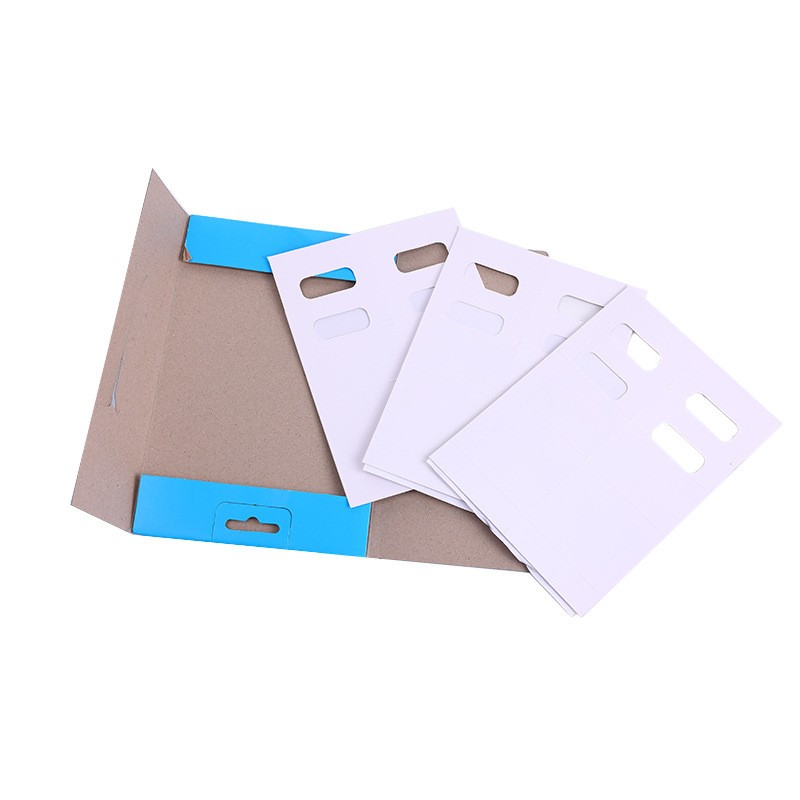
Quality control during production directly dictates outdoor durability. Rigorous manufacturing workflows implement multi-stage checks covering raw material inspection, production process monitoring, semi-finished testing, surface treatment review, assembly validation, final product testing, and packaging inspection. Certified production standards backed by formal registration records (such as copyright certificate 黔作登字-2020-F-00118638) support consistent physical integrity across export shipments.
Field performance data demonstrates reliable functionality in high-volume export markets. Real-world supply fulfillments include exporting 40,000 units to India, 617,000 units to Brazil, and 1.8 million units to Peru. Proper physical positioning along pest movement corridors—such as granary walls, power distribution rooms where moisture is prohibited, and commercial waste collection points—maximizes capture rates without chemical dispersion.
Data/Solution Comparison
| Product / Solution Type | Minimum Order Quantity (MOQ) | Delivery Time | Primary Outdoor Application Scenario |
|---|---|---|---|
| Sticky Mouse Traps | 10,000 pcs | 1 Month (Custom) / 3–7 Days (Stock) | Farm feed rooms, warehouse exterior walls, utility perimeters |
| Cockroach Houses | 120,000 pcs | 1 Month (Custom) / 3–7 Days (Stock) | Catering back doors, fresh market zones, garbage collection areas |
| Sticky Insect Boards | 20,000 pcs | 1 Month (Custom) / 3–7 Days (Stock) | Greenhouse planting edges, agricultural boundaries |
| Fly Paper Sheets | 300,000 sheets | 1 Month (Custom) / 3–7 Days (Stock) | Open-air animal husbandry, granary loading sites |
Frequently Asked Questions (FAQ)
Q1: What are the primary lead times for custom-made pest control products versus stock items?
A1: Customized production orders require a lead time of 1 month, whereas standard stock orders are prepared for shipment within 3 to 7 days.
Q2: How are adhesive quality issues addressed after receiving a shipment?
A2: Quality claims require clear photo or video documentation and the outer carton batch number submitted within 15 days of receipt. Confirmed manufacturing defects are addressed through free product replenishment or invoice deductions. Failure caused by improper storage (such as extreme dust accumulation or direct weather exposure) falls outside warranty coverage.
Q3: What minimum order quantities apply to customized pest control orders?
A3: Minimum order quantities vary by product category: 10,000 units for mouse traps, 20,000 units for sticky insect boards, and 120,000 units for cockroach houses.
Final Conclusion & Recommendations
Procuring custom-made pest control products for harsh outdoor environments depends on selecting appropriate physical housing designs, enforcing multi-stage quality inspection processes, and partnering with scalable OEM/ODM production facilities. Buyers must align minimum order quantities and fulfillment schedules with regional distribution requirements while verifying local regulatory compliance for adhesive trap sales prior to deployment. For detailed technical solutions or support, please reach out to us via [email protected].
About Us
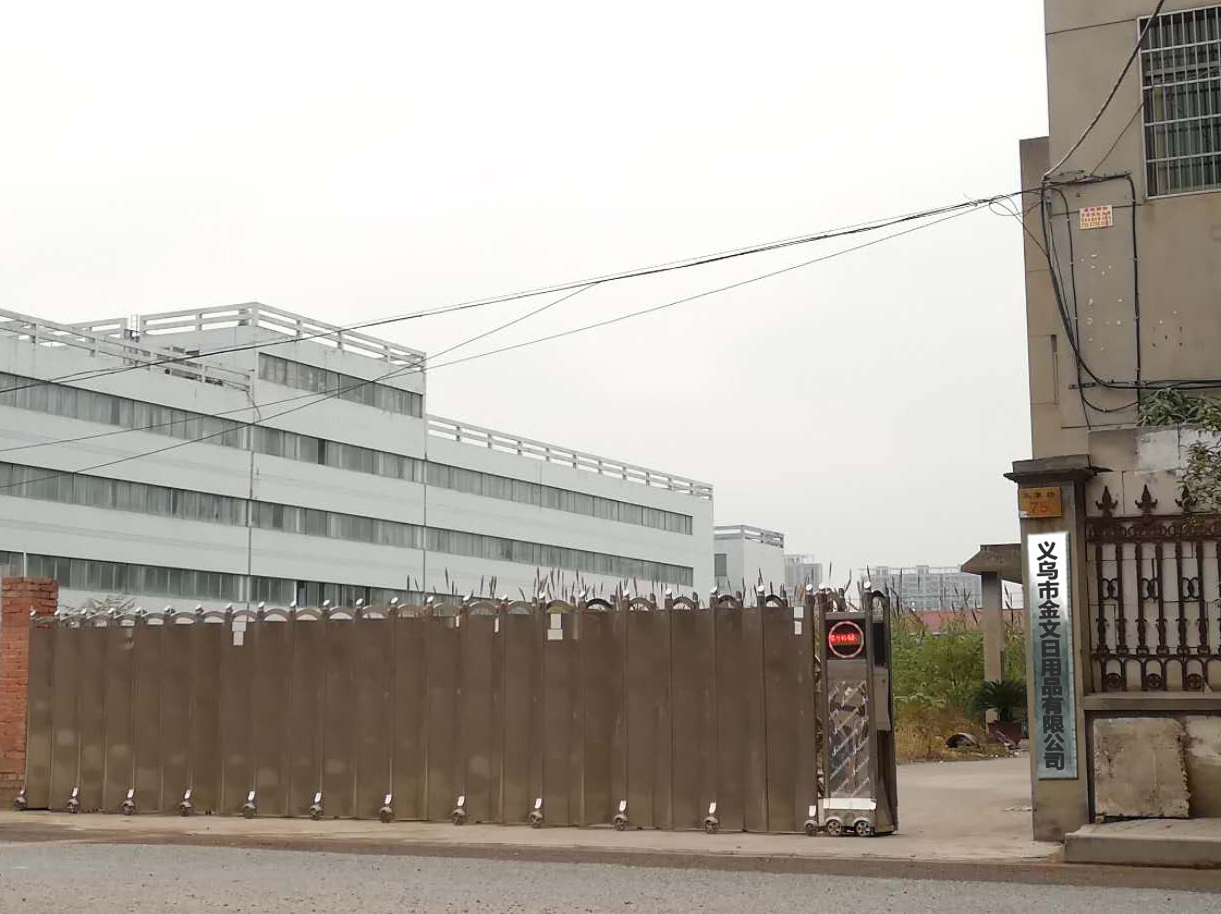
Yiwu Jinli Commodity Co., Ltd., established in 2010, is a pest control manufacturer integrating R&D, production, and sales under the brand name MUSTRAP. Employing 80 personnel, the company operates independent production lines yielding a daily output of 80,000 units with an export ratio of 70% across markets in South America, Southeast Asia, Africa, and the Middle East. The enterprise provides OEM and ODM customization backed by official trademark registrations and copyright certificates, having served commercial supply partners across multiple global regions.

Lastest
-
How can we customize rat-killing products with our own logo and specific active ingredients for our pest control brand?
2026-08-14 -
How do I find a manufacturer that can customize glue formulation for bonding silicone to metal?
2026-08-14 -
What options do I have for custom-made fly-killing products with our own logo and packaging?
2026-08-14 -
How do I choose the right active ingredients for custom-made pest control products targeting agricultural pests?
2026-08-14 -
How can I customize eco-friendly pest control products with my own brand logo and specific active ingredients?
2026-08-14
SUBSCRIBE
INQUIRY